Our Office
1941 Coney Island Avenue
Brooklyn, NY 11223
Existing Patients: (718) 400-2396
New Patients: (718) 412-9457
Fax: (718) 400-8932
Visit Us Online

The arrival of a baby's first tooth is more than a cute milestone — it’s a practical cue that oral care should begin. Leading pediatric dental organizations recommend a child's first dental visit by the time the first tooth appears or by age one. That early appointment gives your family and the dental team a chance to review daily care, identify any early concerns, and set realistic expectations for future visits.
Scheduling an early visit doesn’t mean you need to wait for a problem. Many parents bring children in proactively so the child can meet the team and become familiar with the office environment. If you notice unusual swelling, persistent crying related to the mouth, or discoloration on a tooth, it’s appropriate to schedule sooner — these signs can indicate a need for prompt attention.
Think of the first visit as an introduction rather than a treatment session. The aim is to establish a comfortable “dental home” where ongoing prevention and gentle care are the norm. Early familiarity helps reduce anxiety later on and gives parents practical guidance for daily oral habits from the start.
Primary (baby) teeth serve several critical roles beyond their short-term function. They enable efficient chewing and support clear speech development, helping children learn sounds and words correctly. Those first teeth also provide the necessary spacing and guidance for permanent teeth, acting as natural placekeepers until adult teeth are ready to emerge.
Because baby teeth are more susceptible to decay, problems that begin early can progress quickly and affect overall oral health. Untreated cavities can interfere with eating, sleeping, concentration, and school performance. Early preventive care reduces these risks and supports a child’s physical comfort and emotional well-being.
Protecting baby teeth is also an investment in future dental health. Healthy primary teeth make it easier for permanent teeth to erupt in alignment and reduce the likelihood of complex orthodontic needs later. Establishing protective habits — good brushing, limiting sugary drinks, and routine checkups — pays off throughout childhood and beyond.
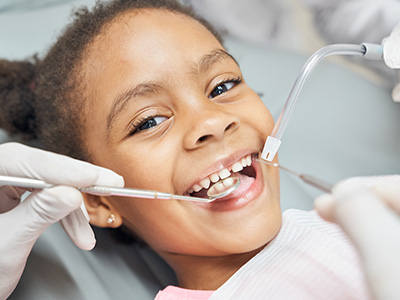
At the first appointment you can expect a gentle, age-appropriate exam focused on comfort and education. The clinician will perform a visual check of the mouth, evaluate tooth development, and look for early signs of decay or bite concerns. If your child is comfortable, the provider may demonstrate brushing techniques and show the child a few friendly tools so the experience feels less unfamiliar.
Because every child is different, the pace of the visit is adapted to the child’s temperament. For infants, the exam may be brief and mostly involve instruction for caregivers on hygiene, feeding habits, and what to watch for as teeth come in. For older toddlers and preschoolers the team may introduce polishing or a quick clean to remove soft plaque while keeping the visit positive and low-stress.
Education is a big part of the first visit. The provider will talk with you about effective brushing routines, the timing of fluoride use, and how to make oral hygiene a simple, consistent part of each day. You’ll also get personalized advice on diet, sippy cup use, pacifiers, and other habits that influence early dental health.
If there are any immediate concerns — such as early decay or developmental issues — the dentist will explain recommended next steps and preventive options in straightforward terms. The goal is always to treat conservatively when possible and prioritize prevention so future interventions are less likely.
A calm, reassuring atmosphere makes a huge difference in how a child perceives dental visits. From the reception area to the exam chair, pediatric dental teams are trained to work with young patients using friendly language, predictable routines, and age-appropriate explanations. These strategies reduce fear and help children build confidence one visit at a time.
Skilled pediatric clinicians use a range of behavioral techniques to keep visits positive: modeling with a puppet or mirror, short and simple instructions, and positive reinforcement for cooperation. Parents are encouraged to participate so the child feels supported; often a familiar lap or a soothing voice is the best comfort during a first appointment.
The office environment is designed with kids in mind — sights, sounds, and procedures are introduced slowly so nothing feels rushed or overwhelming. When more involved care is needed, the team discusses appropriate comfort options plainly and compassionately, always prioritizing the child’s safety and emotional comfort.
Early visits are the foundation for a preventive approach that lasts through childhood. Most children benefit from regular checkups twice a year so the dental team can monitor growth, spot changes early, and reinforce good habits. During these visits clinicians assess bite and jaw development and recommend interventions only if they are truly necessary to support healthy progression.
Preventive measures that may be discussed over time include fluoride varnish, dental sealants for cavity-prone molars, and behavior-based strategies to reduce sugary snack and drink exposure. The focus is on interventions that protect teeth while minimizing discomfort and disruption to a child’s routine.
Parents play a central role in prevention. Simple daily habits — supervised brushing with the right-sized toothbrush, limiting juice and sticky snacks, and regular mealtimes — produce measurable benefits. The dental team will provide practical, age-specific tips to make these habits manageable and effective within your family’s lifestyle.
Monitoring development is another important benefit of ongoing care. As children grow, the dentist watches for signs that could require early orthodontic guidance or specialized support. Catching potential concerns early often allows for simpler, more effective solutions.
In short, the first dental visit sets a tone: prevention, education, and a partnership between families and clinicians. If you’d like more information about what to expect for your child’s first appointment or the preventive services we provide, please contact Beyond Smiles Pediatric Dentistry for a friendly conversation about your child’s needs.
Pediatric dental organizations recommend a child's first dental visit by the time the first tooth appears or by the child’s first birthday. This early appointment gives caregivers and the dental team a chance to review daily oral care, discuss feeding and pacifier habits, and identify any early concerns. An initial visit focuses on prevention and education rather than treatment to help establish a comfortable dental routine.
Many parents bring children in proactively so the child can meet the team and become familiar with the office environment before any problems arise. If you notice unusual swelling, persistent crying related to the mouth, or noticeable discoloration of a tooth, it is appropriate to schedule sooner. Early visits help create a dental home that reduces anxiety and supports long-term oral health.
The first appointment typically includes a gentle, age-appropriate exam that focuses on comfort and caregiver education. The clinician will perform a visual check of the mouth, evaluate tooth development, and look for early signs of decay or bite concerns while explaining what they are doing in simple terms. For infants the visit often centers on guidance for caregivers, and for older toddlers the team may demonstrate brushing and introduce friendly instruments.
Education is a major part of the visit: you can expect advice on brushing routines, timing of fluoride use, and strategies to limit sugary snacks and drinks. The team will offer personalized tips for pacifier use, sippy cups, and other habits that affect early dental health. If immediate concerns are found, the dentist will explain next steps clearly and recommend conservative options when possible.
Primary teeth play important roles beyond temporary chewing: they support speech development, help children learn sounds correctly, and preserve space for permanent teeth. Healthy baby teeth guide the eruption of adult teeth and reduce the risk of misalignment that can lead to more extensive treatment later. Because primary teeth are more susceptible to decay, early problems can progress quickly and affect a child's comfort and daily functioning.
Untreated decay in primary teeth can interfere with eating, sleeping, concentration, and school performance, so protecting these teeth is an investment in overall well-being. Preventive habits—consistent brushing, limiting sugary beverages, and regular dental visits—help maintain healthy primary teeth and support smoother transitions when permanent teeth arrive. Monitoring and early intervention often result in simpler, more effective care as your child grows.
Preparing your child with calm, positive language helps set expectations and reduce fear. Describe the visit as a chance to meet a friendly doctor who will count and clean teeth, and avoid using words like pain or shot when possible; role-playing with a toothbrush at home can make the experience familiar. Pack a favorite toy or blanket and plan a relaxed schedule so your child arrives well-rested and not hungry.
On the way to the appointment keep explanations brief and encouraging; parents' calm behavior often reassures children more than detailed descriptions. The dental team may invite you to sit with your child or hold them during parts of the exam to provide comfort. After the visit, praise your child for cooperation and reinforce positive messages about caring for teeth.
Pediatric dental teams use a combination of child-focused communication, predictable routines, and gentle behavioral techniques to create a reassuring environment. Clinicians often use modeling, simple instructions, and positive reinforcement to build trust, and they introduce instruments and procedures slowly so nothing feels overwhelming. Parents are encouraged to participate when helpful, as a familiar lap or a soothing voice can make the appointment more comfortable.
The office environment is designed with children in mind, featuring friendly language and an emphasis on small, successful steps during each visit. When more involved care is needed, the team discusses comfort options plainly and compassionately and prioritizes safety and emotional comfort. These strategies together help children form positive associations with dental care early on.
X-rays are not routinely taken at a first visit for very young children unless the dentist identifies a specific concern that requires imaging. The need for radiographs depends on age, cooperation, clinical findings, and risk factors for decay; the dentist will explain the rationale and any safety measures if images are recommended. Fluoride recommendations are individualized based on the child's exposure to fluoride and their decay risk.
In many cases the dentist may apply a protective fluoride varnish if there is a higher risk of cavities, or they may advise on the appropriate timing of fluoride toothpaste at home. Preventive measures are presented as options to strengthen enamel and reduce future treatment needs. Care decisions are always tailored to the child's needs and explained in clear, parent-friendly terms.
Most children benefit from routine checkups every six months, but the dentist may recommend a personalized schedule based on your child's caries risk, growth, and development. Regular visits allow the dental team to monitor tooth eruption, detect early changes in bite or enamel, and reinforce healthy habits with timely guidance. A consistent schedule also helps children become comfortable with dental care and supports prevention over time.
If a child has a history of rapid cavity formation or specific developmental concerns, appointments may be scheduled more frequently to manage risk and provide preventive treatments. The dental team will discuss a follow-up plan at the first visit and adjust the interval as your child grows. Early, ongoing care often reduces the need for more complex procedures later.
Preventive options commonly discussed over time include fluoride varnish to strengthen enamel and dental sealants to protect cavity-prone molars, along with individualized behavior-based strategies to reduce sugary snack and drink exposure. Sealants are typically recommended once back molars have erupted and the child can keep the area dry during placement. The focus is on minimally invasive interventions that protect teeth while minimizing discomfort.
Education and habit-based changes—such as supervised brushing with the right-sized toothbrush, limiting juice and sticky snacks, and maintaining regular mealtimes—are also core components of prevention. The dental team will recommend appropriate measures based on age, risk level, and development, always prioritizing conservative care. Ongoing monitoring ensures preventive plans evolve as your child’s needs change.
You should contact the dental office promptly if your child has sudden tooth pain, visible swelling in the mouth or face, an injury to the teeth or jaw, or persistent bleeding after a minor oral injury. These signs can indicate issues that need timely evaluation to prevent complications. If a tooth is discolored following trauma or a baby tooth is knocked out, the dentist can advise on appropriate next steps and whether an urgent visit is necessary.
For concerns that feel less urgent—such as a gradual change in a tooth’s appearance, minor sensitivity, or questions about feeding and teething—call the office to describe the situation and receive guidance. Early communication allows the dental team to triage concerns and recommend the appropriate timing for care. Prompt attention helps protect comfort and long-term oral health.
Your child will be examined by a pediatric dental team trained in age-appropriate care, behavior guidance, and preventive strategies; the clinician will explain findings and recommendations in clear, parent-focused language. The team includes professionals experienced in working with infants, toddlers, and school-age children and they tailor the pace of the visit to each child’s temperament. If specialized care is needed, the dentist will discuss referral or collaborative options.
If you would like more information about what to expect for your child's first appointment or want to schedule a visit, please contact Beyond Smiles Pediatric Dentistry in Brooklyn using the office contact information listed on their website. The practice can answer questions about preparation, appointment logistics, and the services commonly offered during early visits with a friendly, professional approach.